A soldering iron is usually the better first tool for ordinary SMD soldering, while a hot air station is more useful for removing and reworking multi-pin packages. Many electronics benches benefit from having both.
A soldering iron is the better choice for most individual SMD joints and routine board assembly. A hot air station becomes more useful when you need to remove or reflow multiple pins at once, work with packages such as QFPs, or avoid dragging a tip across delicate components. For regular electronics repair, the most practical setup is often an iron first and hot air as a complementary rework tool.
The short answer
Choose a soldering iron when you need to:
- Solder individual SMD pads or leads
- Attach wires to a circuit board
- Touch up a bridge or cold joint
- Control exactly where heat is applied
- Work on small boards with nearby heat-sensitive parts
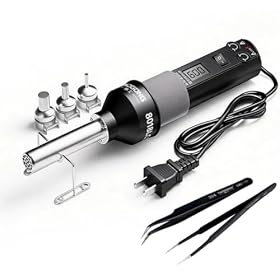
Choose a hot air station when you need to:
- Remove SMD components with multiple leads
- Reflow several pins at the same time
- Work on QFP, SOP, or other multi-pin packages
- Remove components without physically pulling on their leads
- Heat a larger area of the board evenly
If you are buying only one tool, select an adjustable soldering iron for general SMD work. Add a hot air station when your repairs regularly involve component removal, rework, or packages that are difficult to handle with a tip.
Soldering iron versus hot air station for SMD
| Factor |
Soldering iron |
Hot air station |
| Heat application |
Direct contact through a tip |
Heated airflow over an area |
| Best use |
Individual joints and precise touch-ups |
Multi-pin reflow and component removal |
| Control |
Usually very precise at the joint |
Depends on airflow, nozzle, distance, and shielding |
| Risk to nearby parts |
Lower when used carefully |
Can heat or move nearby components |
| Learning curve |
Easier for most beginners |
Requires more practice and setup |
| Typical consumables |
Tips, solder, flux |
Nozzles, solder, flux, and sometimes replacement filters or heating elements |
| Board access |
Works well where a tip can reach |
Useful when leads are hidden beneath a package or soldered on several sides |
The choice is less about which tool is universally better and more about how the solder is distributed. An iron heats one joint through direct contact. Hot air heats solder across a component or board area, which is useful for reflow but less selective.
When a soldering iron is the better choice
Individual SMD joints
For resistors, capacitors, diodes, jumpers, and other small parts, an iron gives you direct control over the pad and lead. You can apply flux, heat the joint, feed a small amount of solder, and remove heat quickly.
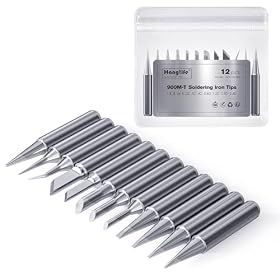
A fine or small chisel tip is often more useful than an extremely sharp pointed tip. The best tip depends on the pad size, lead shape, and the amount of heat needed. A tip that is too small may transfer heat poorly, causing long heating times.
Touch-up and repair
An iron is usually the fastest tool for:
- Removing a solder bridge between pins
- Adding solder to a weak joint
- Reflowing one connection
- Replacing a single two-terminal component
- Soldering wires, headers, and test points
With flux and a suitable tip, you can often repair one problem without heating the whole component or nearby area.
Work around heat-sensitive parts
Direct heat can still damage electronics, but it is easier to limit the affected area with an iron. This matters when nearby parts include plastic connectors, small sensors, flexible cables, or components that could shift under airflow.
Use the lowest practical temperature and the shortest contact time that produces a properly wetted joint. Follow the component and board manufacturer's handling guidance when available.
When a hot air station is the better choice
Removing multi-pin components
A hot air station can melt solder on several pins at once. This is especially helpful for removing packages where an iron would require working around every lead individually.
Before heating, protect nearby components with suitable heat-resistant shielding when appropriate. Apply flux, choose a nozzle that fits the work area without unnecessarily blasting the surrounding board, and keep the nozzle moving according to the station and component instructions.
Do not pry a component off while some solder is still solid. If the part does not lift with very light pressure after the solder has melted, stop and continue heating carefully rather than forcing it.
Reflowing exposed leads
Hot air can reflow solder across a row of pins after the component has been placed and aligned. Flux helps the solder flow and can reduce the chance of bridges, but it does not compensate for excessive solder paste or poor component placement.
This approach is useful for prototypes and repairs, but it requires control over airflow. Too much airflow can move small components, scatter solder, or disturb nearby parts.
Working with packages that are difficult to reach
Some SMD packages have leads underneath or around multiple sides, making direct tip access awkward. Hot air can heat the package from above while transferring heat to the solder joints below. The result depends on the package, board design, ground-plane area, and thermal mass.
A hot air station is not a substitute for a proper reflow process on every board. Large ground planes and heavy copper can draw heat away from the joint, while small boards may heat quickly.
The main disadvantages of hot air
Hot air is powerful, but it is less localized than an iron. Common problems include:
- Nearby components shifting or tombstoning
- Plastic parts softening or deforming
- Solder or debris blowing across the board
- Uneven heating caused by poor nozzle position
- Overheating pads, components, or the circuit board
- Difficulty judging when hidden solder has fully melted
Temperature and airflow settings are both important. A high temperature with low airflow may behave very differently from a lower temperature with high airflow. Start conservatively, use flux, and adjust based on the board and component rather than relying on a single setting for every job.
The main disadvantages of an iron
An iron is not ideal for every SMD task. It becomes awkward when:
- A component has many closely spaced leads
- Several joints must melt at the same time
- The part has no convenient exposed lead for the tip
- You need to remove a part without pulling on its pads
- The board has large thermal connections that draw heat away
You can sometimes remove multi-pin components with an iron and additional solder or low-melting alloy, but that adds consumables and technique. For frequent SMD rework, hot air can be more efficient and less mechanically stressful on the board.
Which tool should you buy first?
For beginners and general electronics work
Start with an adjustable soldering iron or soldering station with stable temperature control, replaceable tips, and a comfortable handpiece. Add fine tips suited to your work, solder, and flux.
This setup handles most basic SMD assembly and repair while also working for through-hole soldering, wires, connectors, and headers.
For board repair and component replacement
Consider adding hot air when your work includes regular removal of multi-pin ICs, rework of densely populated boards, or components that cannot be reached easily with an iron.
A hot air station is particularly valuable if you frequently repair existing boards rather than only assembling new ones.
For frequent production or prototype rework
A combined setup with both tools is usually more flexible. Use the iron for precise joints and hot air for component-level removal or reflow. This avoids forcing either tool into jobs it does poorly.
A good bench setup should also include flux, suitable lighting, magnification when needed, tweezers, board support, and fume extraction or ventilation.
Features that affect the buying decision
Temperature control
Adjustable temperature is important for both tools. It lets you match the process to the solder, component, board construction, and manufacturer's guidance. Stable control is more useful than a large temperature number on the display.
Airflow control on hot air stations
Airflow control is critical because excessive air can move small components. Look for a station that lets you adjust both heat and airflow independently. The useful range depends on the nozzle, component size, board thermal mass, and the distance from the board.
Nozzle selection
Hot air nozzles concentrate airflow around particular package sizes. A nozzle that is too large may heat nearby parts unnecessarily; one that is too small may heat unevenly or require excessive dwell time. Choose nozzle sizes based on the packages you actually repair.
Tip availability for irons
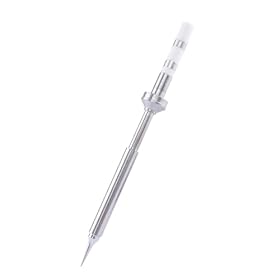
An iron is only as useful as the tips available for it. Check that replacement tips are easy to obtain and that the available shapes match your work. Fine conical tips, small bevels, and small chisel tips each have different uses.
Handpiece and stand design
A stable stand, heat-resistant rest, and comfortable handpiece make repetitive work safer and more consistent. For hot air, the handle should be easy to place securely when you need both hands for tweezers or board handling.
Fume management
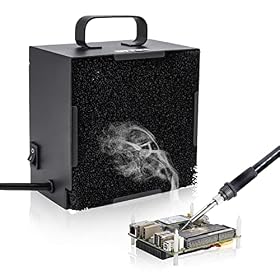
Solder and flux fumes should not be inhaled directly. Use suitable local extraction or effective ventilation, and follow the safety instructions for the solder and flux products. A fume extractor is especially useful when reworking boards for extended periods.
A practical SMD workflow using both tools
- Inspect the board and identify nearby risks. Note connectors, plastic parts, cables, and components that could be moved or overheated.
- Apply flux to the work area. Use a flux type appropriate for your soldering process and follow its handling instructions.
- Use the iron for precise joints. Tack one side of a component, align it, and complete the remaining joints.
- Use hot air for multi-pin rework. Select an appropriate nozzle, control airflow, and heat the area evenly.
- Inspect after soldering. Look for bridges, unsoldered pins, lifted pads, shifted parts, and contamination.
- Clean the board if appropriate. Follow the flux manufacturer's guidance and make sure the board is dry before powering it.
When removing a part, mark its orientation before heating it if there is any chance of confusion. Do not assume the replacement component has the same pinout or orientation simply because it looks similar.
Bottom line
For most SMD work, buy the soldering iron first. It offers precise control, handles individual joints well, and is easier to learn. Choose a hot air station when you need to reflow or remove multi-pin components, work on dense boards, or perform frequent component-level repairs.
If your budget and workspace allow it, using both tools is the most capable arrangement: the iron handles precision, while hot air handles broad, simultaneous heating. Neither tool removes the need for flux, careful inspection, ventilation, and conservative heat management.