Best soldering iron for beginners
The best soldering iron for a beginner is usually a temperature-controlled iron or compact station with interchangeable tips, stable heat,…
Practical help choosing, using and maintaining soldering irons and stations for electronics work.
The best soldering iron for a beginner is usually a temperature-controlled iron or compact station with interchangeable tips, stable heat,…
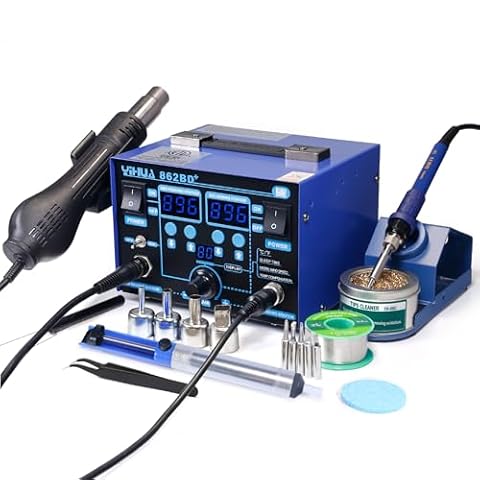
The best soldering station for an electronics hobbyist is usually a temperature-controlled, grounded station with readily available tips, a…

The best soldering station for fine-pitch work gives you stable temperature control, compatible small tips, fast thermal recovery, and a…
If you already own a useful set of soldering tips, the best station is usually the one built for that exact tip family—not simply the…
A soldering station can share tips with a portable iron only when the heater, tip interface, dimensions, and manufacturer compatibility are…

An ESD-safe station and a floating-tip iron protect electronics in different ways. Learn how tip grounding, leakage current, insulation,…

A temperature-controlled soldering iron lets you set or regulate the tip temperature, while a fixed-temperature iron operates at one preset…

A pencil iron is compact and simple, while a soldering station offers better temperature control, tip options, and ergonomics. The right…

For oxidized wires, choose electronics-grade rosin or no-clean flux—not plumbing acid flux. Clean and abrade the wire first, then apply a…

For most electronics kits, a thin rosin-core solder is the easiest choice. Learn when to choose 63/37 leaded solder, lead-free solder,…

63/37 solder is forgiving for learning electronics, but switching to lead-free later requires different technique, temperature settings,…

A desoldering pump loses its usefulness when air leaks past the plunger or nozzle. Here’s how to choose one with a reliable seal and how to…

A practical guide to choosing a lead-free solder and flux pen kit for circuit boards, wire repairs, and general electronics work.

Your first-year consumable cost is usually driven more by solder usage and tip replacement habits than by the soldering station itself. Use…
Use less flux, apply it precisely, and choose the right applicator for cleaner soldering. These practical steps help prevent sticky…

Lead-free solder usually needs a hotter, better-controlled iron and more effective flux than traditional tin-lead solder. Learn how to…

SAC305 is the common lead-free choice for electronics, while 63/37 remains easier to solder and is useful for repair, prototyping, and…
Leaded solder is usually easier for beginners, while lead-free solder is the better choice for projects where RoHS-style materials, reduced…

Rosin-core solder already contains flux, but separate flux can improve difficult joints, rework, and oxidation problems. Here is how to…
For most IC rework, choose solder wick slightly narrower than the soldered area. Fine-pitch SMD pins usually need narrow braid, while wider…

No-clean flux residue can often stay on a board, but if you need to remove it, first confirm the flux is compatible with isopropyl alcohol.…

Plumbing solder may melt onto a circuit board, but its flux, alloy, and intended use can make it a poor choice for electronics. Use solder…
The best beginner soldering kit should include more than an iron and a coil of solder. Look for adjustable temperature control, a stable…
A temperature-controlled soldering station makes through-hole kits easier to assemble by maintaining a more consistent tip temperature.…

A hot-air combo station costs more upfront because it combines a soldering iron with a hot-air rework tool. Whether the added cost is…

Soldering station prices vary widely based on temperature control, heater performance, tip availability, safety features, and included…
For one small electronics kit, a low-cost soldering iron may be sufficient—but the very cheapest irons can make the job harder and damage…

A replacement heating element can restore a soldering iron at lower cost, but compatibility, installation difficulty, and the iron’s…

If desoldering braid is not absorbing solder, the usual causes are oxidized braid, insufficient flux, poor heat transfer, or the wrong…
If flux smoke is filling a small room, stop soldering, ventilate the space, and move the extraction nozzle close to the solder joint. Then…
If solder will not melt on your iron, the usual causes are an oxidized or poorly tinned tip, insufficient temperature, poor contact,…

If your soldering iron is not heating up, start with the tip, power connection, temperature setting, and heater indicator. These checks can…
A soldering station may show small temperature changes during normal heating, but rapid, large, or persistent jumps can indicate a loose…

Leaving a soldering tip dry at 400°C can burn away its protective solder coating and create heavy oxidation. Try cleaning and re-tinning it…

A soldering tip that will not stay tinned is usually oxidized, contaminated, overheated, or worn out. Follow these checks in order before…

A soldering tip that turns dark, stops wetting, or develops a rough surface after a few sessions is usually being overheated, cleaned too…

A USB-C soldering iron that heats slowly, cycles on and off, or cannot maintain temperature may be receiving too little power. Check the…
Brass shavings usually come off with gentle cleaning and fresh solder. Avoid scraping the tip; if solder no longer wets it, the tip may be…

Solder should flow onto heated metal surfaces, not be painted across them. Clean and tin the iron tip, heat the component and pad together,…

A dull finish can signal a cold solder joint, but it is not proof by itself—lead-free solder often cools matte. Look for poor wetting, a…

A soldering iron handle that becomes uncomfortable to hold may have a temperature or compatibility issue, or a damaged handle or cord. Stop…
No-clean flux can leave shiny, amber, cloudy, or sticky residue that makes a sound solder joint look defective. Check the joint’s shape and…
A solder bridge can usually be cleared with flux and solder wick. Disconnect power, inspect the pins closely, then remove excess solder…

For a small soldering bench, the best fume extractor is usually a compact source-capture unit with an adjustable arm, replaceable…
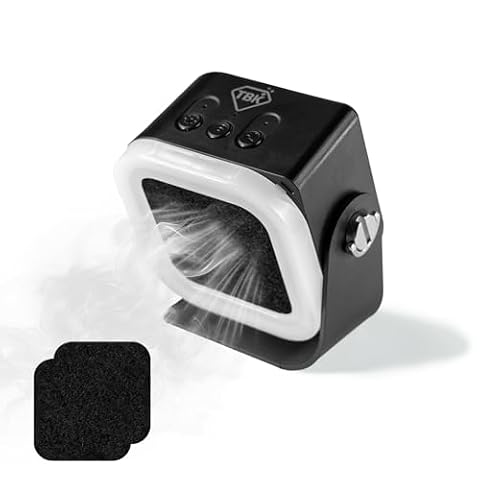
When you cannot open a window, choose a soldering fume extractor that captures smoke at the iron rather than simply cleaning the room. Here…
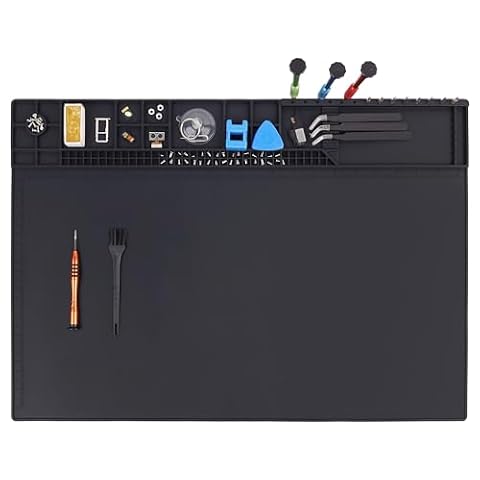
A silicone mat is a useful first purchase for electronics work, but the right one depends on your workspace, project size, and safety…
A small soldering fume extractor’s carbon filter does not have one universal service life. Usage, flux type, airflow, and filter size all…

A compact fume extractor can reduce soldering smoke at a desk, but the right choice depends on filter design, airflow, arm reach, noise,…

A kitchen-table soldering setup needs a compact extractor that captures smoke near the joint without taking over the workspace. Here is how…
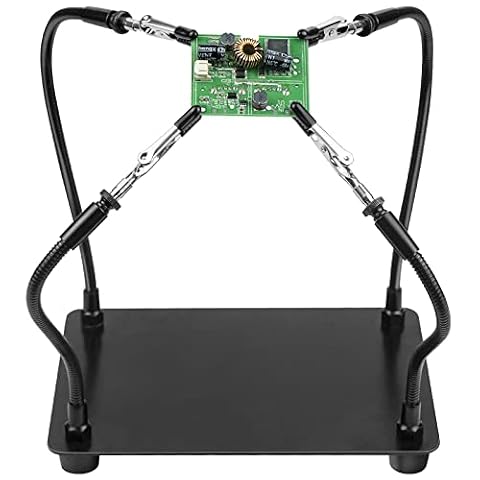
Helping hands are flexible and inexpensive, while a PCB vise usually provides steadier, more repeatable support. Choose based on board…
A helping-hands stand with a magnifier can hold small parts steady while you solder, but stability and adjustability matter more than a…

A PCB holder with rotating jaws can make soldering, inspection, and rework easier by keeping the board secure while allowing access to both…
You can reduce solder smoke in winter without a dedicated extractor by controlling the flux, positioning a fan to move fumes away from your…
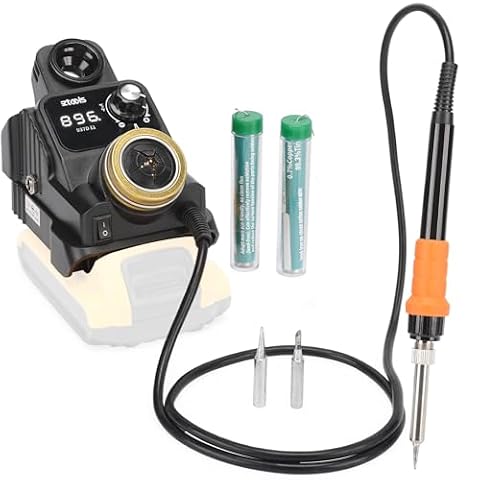
A proper soldering iron sleep stand does more than hold the iron. It can trigger standby mode, reduce tip oxidation, and lower the chance…
An open window can improve room ventilation, but it does not reliably capture soldering fumes at the source. A benchtop extractor is…

A soldering iron tip and a station’s metal chassis may both be grounded, but they serve different purposes. Check the station’s design and…

Move the helping hands or rotate the workpiece so neither blocks the extractor intake. If airflow is still weak, check the filter, hose,…

Third-hand clips usually melt because they touch the iron, sit too close to a hot joint, or conduct heat from the workpiece. Reposition the…

The best iron for repairing earbuds and tiny wires is usually a temperature-controlled station or compact precision iron with…

The best portable soldering iron for field repairs depends on how much power, runtime, temperature control, and flexibility you need away…
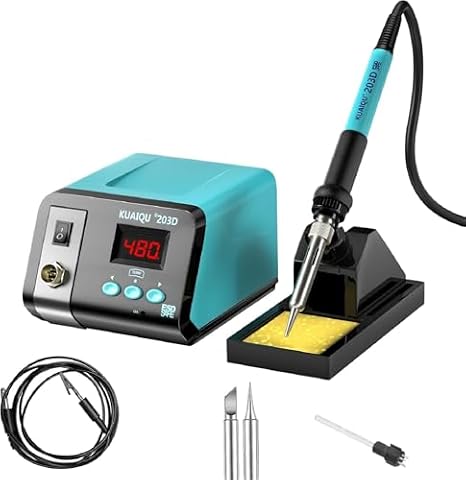
The best soldering station for game console repair should provide stable temperature control, interchangeable fine tips, enough power for…
Soldering header pins is straightforward when the pins stay square and the joint receives enough heat. This guide covers setup, technique,…

A good soldering station for surface-mount work should provide stable temperature control, compatible fine tips, quick heat recovery, and…
A butane iron is usually the more practical choice for remote outdoor soldering, while a station offers better temperature control when…

For most through-hole electronics kits, choose a temperature-controlled soldering station with interchangeable tips and enough power to…

Crimping is often a practical alternative to soldering for wire-to-wire connections, especially in harnesses and places subject to…

Hot glue can keep a soldered cable joint from shifting in a low-stress indoor project, but it does not reliably protect a joint from…

Kapton tape can mask or protect nearby surfaces during soldering, but it does not replace the faster, more controlled heat transfer of a…

For a first SMD run, outsourcing can save time and reduce assembly mistakes—but setup fees, lead time, and design readiness matter. Here’s…

A dedicated, non-food electric skillet can reflow solder paste on some small SMD boards, but uneven heating and limited temperature control…
Buying chisel and conical tips together can cover most electronics work, but only if the tips fit your soldering iron and match the jobs…
A chisel tip transfers heat more effectively than a fine conical tip when soldering thicker wires. Here is how to choose the right iron,…
Conical tips offer precision for small joints, while chisel tips transfer heat more efficiently across larger pads and leads. The right…
The right replacement soldering tip must match your station’s tip family and heating design. Use the compatibility checks below before…
Brass wool and damp sponges both clean soldering tips, but they behave differently. Brass wool usually preserves working temperature…
Tinning a soldering iron tip means coating its working surface with a thin layer of solder. This improves heat transfer, helps solder flow,…

Knife and hoof tips can both drag solder IC leads, but their shapes favor different jobs. Choose a knife tip for directional control and…
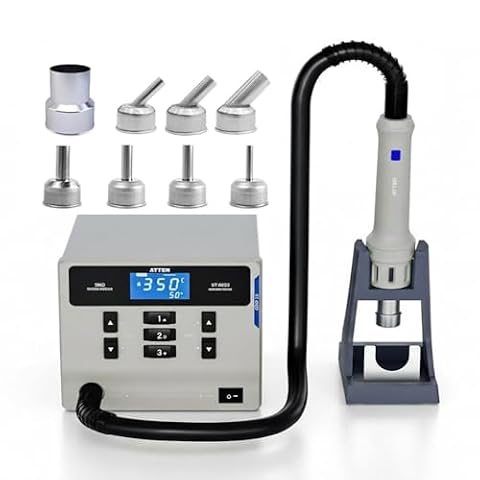
A soldering station’s displayed temperature is not always the temperature at the joint. Here’s how tip geometry, calibration, sensor…
Wattage describes available electrical power; thermal recovery describes how well the station keeps the tip near its set temperature while…
For most electronics hand soldering, start around 315–350°C (600–660°F) with leaded solder or 350–380°C (660–715°F) with lead-free solder.…
For most electronics work, choose a temperature-controlled soldering iron or station rated around 40–60 watts. Higher wattage can help a…
A copper ground plane pulls heat away from the joint. Before turning up the temperature, check your tip, contact, and setup; then decide…

Before replacing a soldering iron that struggles to heat a joint, check the tip. The right size and shape, plus a clean, tinned surface,…
A tip thermometer can help distinguish a temperature-control problem from a dirty tip, poor contact, or incorrect setup. Check the tool…

A cheap unregulated iron can handle occasional basic soldering, but a temperature-controlled station offers more consistent heat, better…

A soldering iron is usually the better first tool for ordinary SMD soldering, while a hot air station is more useful for removing and…
QFN packages hide their solder joints under the component, so hot-air rework can be cleaner and more reliable than trying to reach every…
A solder sucker is usually faster for clearing larger through-hole joints, while desoldering braid offers more controlled removal from pads…

A TS-style portable iron is convenient for field work and quick repairs, while a corded station is usually the better choice for sustained…
A USB soldering iron is convenient and portable, while a 60-watt station is usually the better choice for regular electronics work. Here is…
Conductive adhesive can bridge some broken PCB traces, especially where heat from soldering is a concern. For most accessible copper…
A soldering iron used for electronics is not a substitute for the torch used in traditional jewelry soldering. The right tool depends on…

Stained-glass irons are built to heat large solder seams; PCB work needs better control and a tip sized to small joints. Here’s how to…
To desolder a through-hole component, heat each joint until the solder flows, remove the molten solder, and gently lift the part without…

Soldering joins electronic parts by heating the pad and component lead so molten solder can wet both surfaces and form a connection as it…
A temperature mismatch doesn’t automatically mean a soldering station is defective. Check it with a suitable tip thermometer, repeat the…
A useful soldering station review explains how the station performs in real work—not just its wattage or advertised temperature range. Use…
Flawless joints on a clean new circuit board make a good demonstration, but they do not prove a soldering station will handle repairs well.…