Flux helps solder flow and improves wetting, but too much can leave sticky residue, smoke, splatter, and a board that needs unnecessary cleanup. The least-messy method is to apply a small amount exactly where it is needed, use the right flux type for the job, and clean the work area after soldering when the flux requires it.
Choose the right flux first
Flux is available in several forms, and the container affects how easily you can control it.
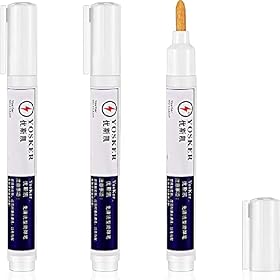
- Flux pens are useful for brushing a thin layer over pads, wires, and small joints.
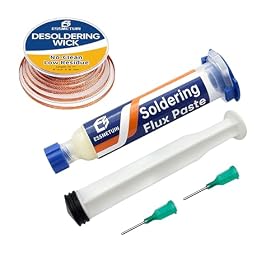
- Syringes or needle-tip dispensers provide more precise placement, especially on individual pads or repair areas.
- Paste flux stays in place well but can be easy to over-apply.
- Liquid flux spreads readily and may be useful for larger areas, but it is more likely to run.
- Rosin or residue-bearing flux usually requires cleaning after soldering.
- No-clean flux leaves less residue under normal use, but “no-clean” does not always mean the board will look perfectly clean or that residue is harmless in every application.
Check the flux label and the soldering materials you are using. Do not assume that every flux is suitable for electronics, rework, or lead-free solder.
Apply a small amount precisely
Flux does not need to cover the entire board. Apply only enough to wet the joint or improve solder flow.
- Turn off and unplug the equipment before preparing the board, except when the manufacturer’s instructions specifically require a powered test during a later step.
- Secure the board so it does not move while you apply flux or solder.
- Clean visible dirt, oil, or old residue from the area if necessary.
- Dispense a small drop onto the pad, wire, terminal, or existing solder joint.
- Spread it with the applicator tip if the flux is thick. A thin film is usually preferable to a puddle.
- Heat the joint with a clean, tinned tip and add solder as needed.
- Remove excess flux before moving to the next area if it has pooled around the joint.
For a flux pen, lightly press or prime the tip according to its instructions, then draw the tip across the joint once or twice. Avoid repeatedly pumping the pen onto the board. For a syringe, use the smallest pressure that produces a controlled drop.
Keep flux off areas that do not need it
A few simple setup changes prevent most messes:
- Put a silicone soldering mat or disposable protective sheet under the work.
- Keep the flux container upright when it is not being used.
- Use a small tray or holder for the applicator instead of laying it on the bench.
- Keep paper towels nearby, but do not wipe a hot soldering tip with ordinary paper.
- Use a fume extractor or suitable ventilation, particularly when flux produces visible smoke.
- Do not apply flux directly from a large bottle over the circuit board. Transfer a small amount to a controlled applicator if the product allows it.
Flux can travel under components, into switches, and between closely spaced contacts. Applying it to the soldering tip or a small tool first can be cleaner than flooding the board, but avoid contaminating tools that are not intended for flux use.
Control splatter and smoking
Excess moisture, contamination, or too much flux can cause bubbling and splatter when heated. Before soldering, allow liquid flux to settle briefly and make sure the board and parts are dry. Do not hold the iron in one place longer than necessary.
A hot iron will make flux smoke. Keep your face out of the smoke plume and position ventilation so fumes move away from your breathing zone. Flux fumes can irritate the eyes and respiratory system, so use local fume extraction where practical. Follow the product’s safety data and manufacturer guidance for ventilation and personal protection.
Never touch flux, solder, or the workpiece while hot. Use heat-resistant handling tools where needed, and return the iron to its stand whenever it is not in use.
Clean residue without spreading it
Cleaning depends on the flux chemistry. Follow the flux manufacturer’s instructions first, especially for water-soluble products.
For many electronics fluxes, a common cleanup process is:
- Let the board cool until it is safe to handle.
- Apply the recommended electronics-grade flux remover or isopropyl alcohol to a lint-free swab or brush.
- Work over a small area rather than soaking the whole board.
- Lift dissolved residue with a clean portion of the swab or a lint-free wipe.
- Repeat with fresh cleaner until the residue is gone.
- Allow the board to dry completely before reconnecting power.
Do not use household cleaners, tap water, or abrasive tools unless the component and flux manufacturers specifically permit them. Water-soluble flux may require a different rinse and drying procedure than rosin or no-clean flux. Some components, labels, plastics, and switches can be damaged by solvents.
If residue remains sticky after cleaning, you may be dissolving it without removing it. Change the swab or wipe more often and use smaller amounts of cleaner. Avoid brushing dissolved residue into connectors, potentiometers, relays, or other openings.
How much flux is too much?
You have probably applied too much if flux is pooling around the joint, running under a component, producing heavy smoke, or leaving a broad sticky area after the solder solidifies. More flux is not a substitute for the correct tip temperature, adequate heat transfer, a clean tip, or properly prepared metal.
If a joint still will not wet after a small amount of fresh flux, check the basics:
- Remove oxidation or contamination from the surfaces.
- Confirm that the soldering tip is clean and tinned.
- Use a tip shape that can transfer heat to the joint.
- Avoid heating a delicate pad for too long.
- Check that the solder and flux are compatible with the work.
When to replace the flux
Replace flux if it has dried out, separated, changed color or odor significantly, become contaminated with solder particles, or passed its stated shelf life. Do not add random solvents or thinner to restore it. A damaged product may apply unevenly or behave unpredictably when heated.
A flux pen or syringe is usually the better choice when precise application matters. A larger liquid container may make sense for repeated board work, but only if you can dispense it without flooding the area. If you routinely need large amounts of flux to make joints flow, troubleshoot the soldering temperature, tip condition, surface cleanliness, and solder type before increasing flux use.