Rosin-core solder already contains flux, but separate flux can improve difficult joints, rework, and oxidation problems. Here is how to choose without applying too much or using the wrong type.
Rosin-core solder is usually the simplest choice for routine electronics work because its hollow or flux-filled core releases flux as the solder melts. Separate flux is useful when a joint is oxidized, difficult to wet, being reworked, or needs extra help after the solder’s built-in flux has been consumed.
The practical answer is: start with the correct rosin-core solder, then add a compatible electronics flux only when the joint needs it. Separate flux is not automatically better, and excess flux can leave residue or create cleanup problems.
What is the difference?
Rosin-core solder
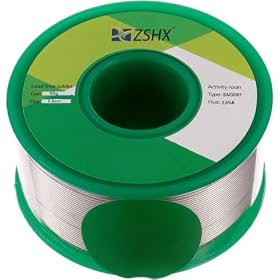
Rosin-core solder contains a flux channel inside the solder wire. When heated, the solder melts and the flux helps remove surface oxides so molten solder can wet the component lead, wire, pad, or terminal.
It is convenient because solder and flux are applied together. For clean, lightly oxidized electronics joints, it is often all you need.
Common choices include:
- Tin-lead solder: Often easier to work with because it melts at a lower temperature, but it requires careful handling and compliance with applicable rules.
- Lead-free solder: Common for modern electronics and regulated manufacturing, but it generally needs more heat and good thermal control.
- Different diameters: Thin wire is easier to control on small pads; thicker wire can feed faster on larger joints.
The flux activity and alloy composition matter more than the label “rosin core” alone. Check the solder manufacturer’s specifications for the intended application and recommended handling.
Separate flux
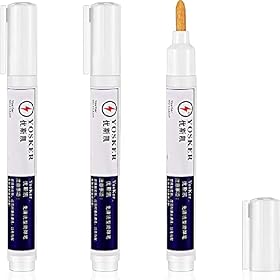
Separate flux is applied independently with a pen, liquid, gel, or paste. It can add fresh flux to a surface before soldering or during rework.
Separate flux helps when:
- A pad, wire, or terminal is visibly oxidized.
- Solder beads up instead of spreading across the surface.
- You are desoldering or replacing an old component.
- A large ground plane draws heat away and the joint is slow to wet.
- You need to tin stranded wire or a connector before making the final joint.
- The solder’s built-in flux has evaporated or been consumed before the joint is complete.
Separate flux does not correct every soldering problem. A dirty surface, insufficient heating, a damaged pad, or an unsuitable soldering tip can still prevent a reliable joint.
Which should you use for electronics?
For most hand-soldered electronics, use a solder wire labeled for electronics and containing a compatible rosin or resin-based flux. Add a small amount of no-clean or rosin-based flux when the joint needs additional help.
Avoid using plumbing flux, acid flux, or other highly active metalworking fluxes on circuit boards unless the specific product is explicitly approved for that application. Acid flux can remain corrosive and may damage copper traces, component leads, or connectors over time.
“Water-soluble” flux is also not automatically residue-free. It may require thorough cleaning according to the manufacturer’s instructions. “No-clean” means the residue is generally intended to remain under specified conditions; it does not mean that every visible residue must be ignored in every application.
When rosin-core solder is enough
Rosin-core solder is normally sufficient when:
- The board and component leads are clean.
- The soldering tip is clean and properly tinned.
- The tip is large enough to transfer heat to the joint.
- The solder alloy matches the work.
- The joint is heated long enough for solder to flow, but not so long that the pad or component is damaged.
A good joint typically has solder that flows onto both surfaces rather than forming a ball on one side. If solder will not wet the joint, do not keep adding solder. Remove the heat, clean or prepare the surfaces, and diagnose the cause.
When separate flux is the better choice
Separate flux is most useful for repair and rework rather than routine assembly. Apply a small amount to the joint or component lead, heat the joint, and feed only enough solder to form the connection.
It can be especially helpful when removing old solder with braid. Flux allows the braid to draw molten solder more readily and can reduce the need to hold the iron on the pad for too long.
Separate flux is also useful for tinning stranded wire. Apply a small amount, heat the wire, and allow solder to wick between the strands without producing a large, stiff blob beyond the insulation.
Use the least amount that produces good wetting. More flux usually does not compensate for a cold joint or contaminated surface.
How to choose between no-clean and rosin flux
No-clean flux
Choose no-clean flux when you want to minimize post-solder cleaning and the product is suitable for your board and application. Residue may still be visible, and some residue can affect appearance, probing, conformal coating, or high-impedance circuits.
Rosin-based flux
Rosin flux is familiar and effective for many electronics tasks. Residue is often more noticeable and may be cleaned with an appropriate electronics-grade solvent if the flux manufacturer allows it.
Water-soluble flux
Water-soluble flux can provide strong activity, but cleaning is part of the process. Follow the product instructions and make sure the board is thoroughly rinsed and dried before power is applied.
Troubleshooting: solder is not flowing
Check these causes in order:
- Clean the surfaces. Remove dirt, oxidation, adhesive, and old residue. Do not scrape delicate circuit-board pads aggressively.
- Check the tip. Clean it and apply a small amount of fresh solder so the working surface is tinned.
- Use the right tip size. A very small tip may not transfer enough heat, especially to ground planes or larger terminals.
- Heat both parts of the joint. Touch the tip to the pad and lead or wire, then feed solder into the heated joint—not directly onto the tip.
- Add a small amount of flux. If the surfaces are oxidized or the joint is being reworked, separate electronics flux may restore wetting.
- Check the solder. Confirm that it is intended for electronics and that its alloy and diameter suit the work.
- Check temperature and technique. Lead-free solder may need a different temperature and longer heat transfer than leaded solder. Follow the solder and station manufacturer’s guidance.
If the joint still will not wet after cleaning and proper heating, inspect for a damaged pad, contaminated component lead, incorrect flux, or a soldering iron that cannot maintain temperature.
Should you mix separate flux with rosin-core solder?
Yes, compatible electronics flux can be used with rosin-core solder. The extra flux does not change the solder alloy, but it adds active flux to the joint.
Use caution when combining flux types. Do not assume that a plumbing, acid, or unknown flux is compatible with electronics. Keep the flux container labeled, use a small applicator, and clean residue when the product instructions call for it.
Buying guidance
For general electronics work, prioritize these specifications:
- Electronics-grade flux: Look for rosin, resin, or no-clean flux intended for electrical or electronic soldering.
- Solder alloy: Choose lead-free when required by your application or workplace; choose a leaded alloy only where permitted and handle it responsibly.
- Wire diameter: Fine solder gives better control on small pads. Larger diameters are more convenient for heavier wires and terminals.
- Flux classification and cleaning instructions: Check whether residue should remain, be solvent-cleaned, or be washed with water.
- Storage condition: Keep solder and flux sealed and follow the stated storage guidance. Old or contaminated flux may perform poorly.
A spool of suitable rosin-core solder is the right first purchase for most users. Add a flux pen or small bottle of electronics flux if you regularly repair oxidized joints, desolder components, or work with difficult-to-wet surfaces.
Bottom line
Rosin-core solder is a solder-and-flux combination suited to most routine electronics joints. Separate flux is a useful supplement for oxidation, rework, stranded wire, and joints that resist wetting. Choose electronics-specific flux, avoid acid plumbing flux on circuit boards, and use only enough flux to help the solder flow.