A soldering iron used for electronics is not a substitute for the torch used in traditional jewelry soldering. The right tool depends on the metal, solder, and joint.
An electronics soldering station usually is not the right tool for traditional jewelry soldering. Jewelry work that joins precious metals typically uses a torch and hard solder; electronics work uses a temperature-controlled iron and soft solder. Some jewelry crafts do use an iron for soft-soldered details, so choose based on the materials and method—not the word “jewelry.”
The tools serve different soldering jobs {#different-jobs}
For circuit boards and wires, a soldering iron or station heats a small joint so electronics solder can flow. Temperature control helps limit heat exposure to components, and interchangeable tips let you match the tip shape to the joint.
Traditional jewelry soldering is different. Joining metals such as silver or gold often requires a torch to heat the workpiece and flow hard solder. An electronics iron generally cannot deliver heat to the larger metal pieces quickly enough for this process. A more powerful iron does not turn it into a jewelry torch.
There are exceptions: some jewelry projects use soft solder to attach decorative elements or make connections in materials such as copper. In those cases, an iron may be appropriate if its temperature, tip, and capacity suit the solder and workpiece. Follow the project’s instructions and the solder manufacturer’s guidance.
Choose by material and solder type {#choose-by-material}
Before buying, identify what you are joining and what solder the project calls for:
Circuit boards, electronic components, and small wires: Choose an electronics soldering iron or station with temperature control and tips suited to the joint size.
Precious-metal joins using hard solder: Use an appropriate jewelry torch setup, not an electronics station. Torch work requires suitable ventilation, fire-safe surroundings, and training in safe handling.
Soft-soldered jewelry details: An iron can work for some projects. Check that the tool can maintain heat at the joint and that the tip can contact the work without damaging nearby materials.
Do not select solder based only on its appearance or the word “silver.” Solder types have different compositions and working temperatures, and they are not interchangeable. Use the solder specified for the project and material.
Product prices and availability are accurate as of the date/time indicated and are subject to change. Any price and availability information displayed on Amazon.com at the time of purchase will apply to the purchase of this product.
What matters in an electronics station {#electronics-station}
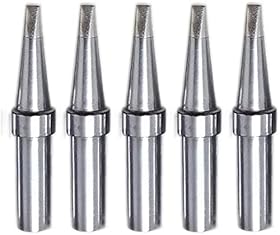
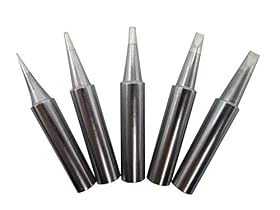
For electronics, prioritize temperature control, compatible replacement tips, and a tip size that fits the work. A fine tip can help with small pads, while a broader chisel tip transfers heat effectively to many ordinary joints. Very small tips are not automatically better; if the tip cannot transfer enough heat, the joint may take longer to complete.
A station can be useful when you need a stable work temperature or expect to change tips. A basic iron may be enough for occasional, straightforward electronics repairs. In either case, follow the tool and component manufacturers’ temperature guidance, and use appropriate fume extraction when soldering.
Product prices and availability are accurate as of the date/time indicated and are subject to change. Any price and availability information displayed on Amazon.com at the time of purchase will apply to the purchase of this product.
Avoid the wrong-tool shortcut {#avoid-wrong-tool}
If a jewelry joint will not flow with an electronics iron, do not keep raising the temperature or hold the iron against the piece for longer. The tool may be unsuitable, and prolonged heating can damage components, finishes, or nearby materials. Confirm the project’s soldering method and use the tool designed for it. If you are unsure about torch work or fire safety, get guidance from a qualified jewelry instructor or professional.
FAQ
Can I use an electronics soldering iron to make jewelry?
Sometimes, for projects designed around soft solder and compatible materials. It is generally not suitable for traditional precious-metal joins that require hard solder and a torch.
Do jewelry makers use soldering irons or torches?
Both, depending on the process. Traditional metal jewelry joins commonly use a torch and hard solder, while some decorative or soft-soldered jewelry work uses an iron.
Can I use electronics solder on jewelry?
Only if the project specifically calls for that type of soft solder and it is suitable for the materials. Electronics solder is not a substitute for jewelry hard solder.