
Best flux for oxidized wires on a repair
For oxidized wires, choose electronics-grade rosin or no-clean flux—not plumbing acid flux. Clean and abrade the wire first, then apply a…
Practical help choosing, using and maintaining soldering irons and stations for electronics work.
For oxidized wires, choose electronics-grade rosin or no-clean flux—not plumbing acid flux. Clean and abrade the wire first, then apply a…

For most electronics kits, a thin rosin-core solder is the easiest choice. Learn when to choose 63/37 leaded solder, lead-free solder,…

63/37 solder is forgiving for learning electronics, but switching to lead-free later requires different technique, temperature settings,…

A desoldering pump loses its usefulness when air leaks past the plunger or nozzle. Here’s how to choose one with a reliable seal and how to…

A practical guide to choosing a lead-free solder and flux pen kit for circuit boards, wire repairs, and general electronics work.

Your first-year consumable cost is usually driven more by solder usage and tip replacement habits than by the soldering station itself. Use…
Use less flux, apply it precisely, and choose the right applicator for cleaner soldering. These practical steps help prevent sticky…

Lead-free solder usually needs a hotter, better-controlled iron and more effective flux than traditional tin-lead solder. Learn how to…
Leaded solder is usually easier for beginners, while lead-free solder is the better choice for projects where RoHS-style materials, reduced…

Rosin-core solder already contains flux, but separate flux can improve difficult joints, rework, and oxidation problems. Here is how to…
For most IC rework, choose solder wick slightly narrower than the soldered area. Fine-pitch SMD pins usually need narrow braid, while wider…

For a small soldering bench, the best fume extractor is usually a compact source-capture unit with an adjustable arm, replaceable…
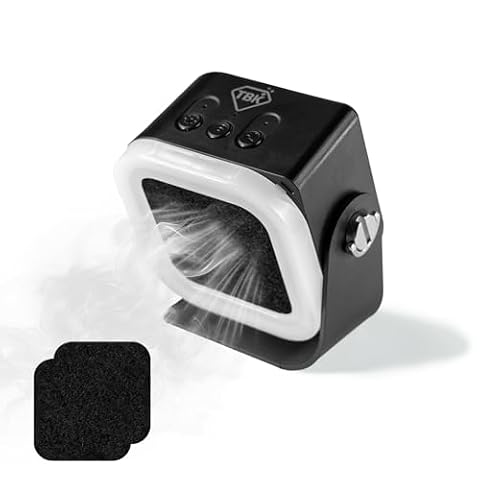
When you cannot open a window, choose a soldering fume extractor that captures smoke at the iron rather than simply cleaning the room. Here…
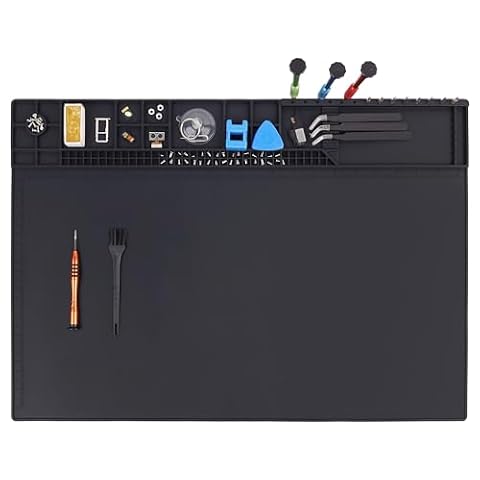
A silicone mat is a useful first purchase for electronics work, but the right one depends on your workspace, project size, and safety…
A small soldering fume extractor’s carbon filter does not have one universal service life. Usage, flux type, airflow, and filter size all…

A compact fume extractor can reduce soldering smoke at a desk, but the right choice depends on filter design, airflow, arm reach, noise,…

A kitchen-table soldering setup needs a compact extractor that captures smoke near the joint without taking over the workspace. Here is how…
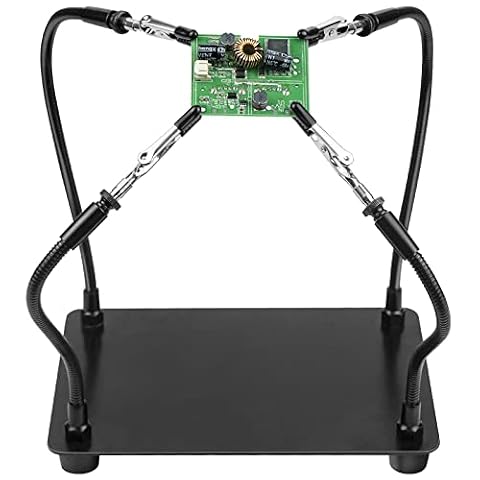
Helping hands are flexible and inexpensive, while a PCB vise usually provides steadier, more repeatable support. Choose based on board…
A helping-hands stand with a magnifier can hold small parts steady while you solder, but stability and adjustability matter more than a…

A PCB holder with rotating jaws can make soldering, inspection, and rework easier by keeping the board secure while allowing access to both…
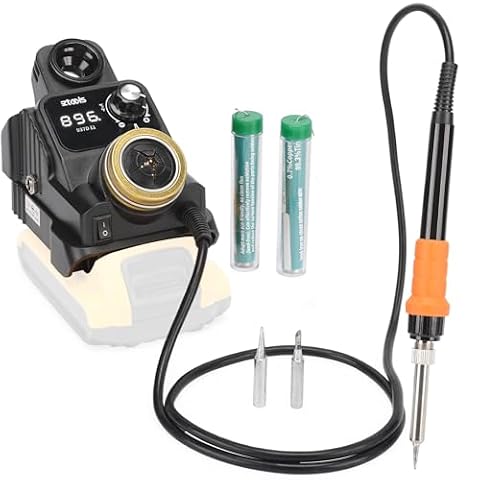
A proper soldering iron sleep stand does more than hold the iron. It can trigger standby mode, reduce tip oxidation, and lower the chance…

Buying chisel and conical tips together can cover most electronics work, but only if the tips fit your soldering iron and match the jobs…
A chisel tip transfers heat more effectively than a fine conical tip when soldering thicker wires. Here is how to choose the right iron,…
Conical tips offer precision for small joints, while chisel tips transfer heat more efficiently across larger pads and leads. The right…
The right replacement soldering tip must match your station’s tip family and heating design. Use the compatibility checks below before…
Tinning a soldering iron tip means coating its working surface with a thin layer of solder. This improves heat transfer, helps solder flow,…
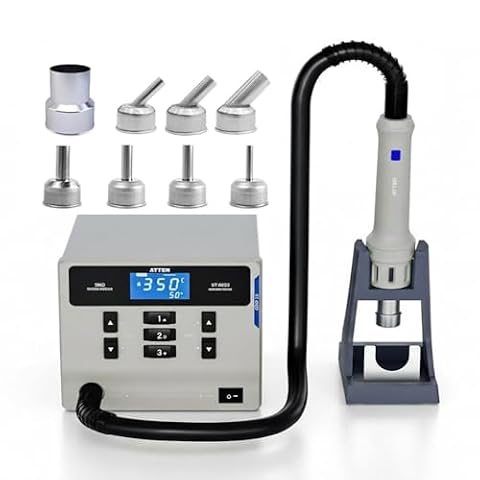
A soldering station’s displayed temperature is not always the temperature at the joint. Here’s how tip geometry, calibration, sensor…

An ESD-safe station and a floating-tip iron protect electronics in different ways. Learn how tip grounding, leakage current, insulation,…

A temperature-controlled soldering iron lets you set or regulate the tip temperature, while a fixed-temperature iron operates at one preset…

A pencil iron is compact and simple, while a soldering station offers better temperature control, tip options, and ergonomics. The right…