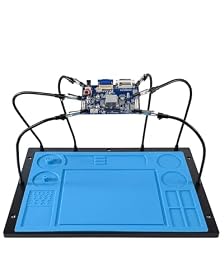
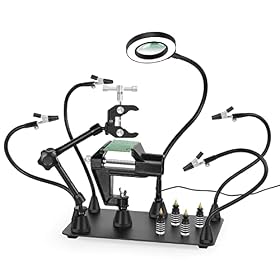
The best beginner soldering kit should include more than an iron and a coil of solder. Look for adjustable temperature control, a stable stand, suitable electronics solder, replaceable tips, and basic safety accessories.
A good beginner soldering kit should let you start making reliable electronics joints immediately, without requiring several extra purchases. Prioritize a temperature-controlled iron or station, a stable heat-resistant stand, electronics-grade solder, replaceable tips, and a way to clean the tip. Decorative accessories and oversized accessory bundles matter less than those basics.
What a beginner soldering kit should include
Temperature-controlled iron or station
Choose a kit with adjustable temperature control rather than a simple fixed-temperature iron when possible. Temperature adjustment helps you work with different components, wire sizes, and solder types while reducing the risk of overheating pads or damaging sensitive parts.
A compact station usually provides better control and a more stable work setup than a basic plug-in iron. A pen-style iron can still be useful for occasional repairs, especially when portability and low cost matter, but it should have clear temperature information and a compatible stand.
Wattage is not the same as operating temperature. A higher-wattage iron may recover heat more quickly after touching a joint, but temperature regulation and tip quality are generally more important for beginners than the wattage number alone.
A stable iron stand
The stand should hold the iron securely with the hot tip pointed away from your hands and work surface. A narrow or lightweight stand can tip when the iron is returned, so look for a broad base and a holder that matches the iron’s shape.
A stand with a brass-wool tip cleaner is convenient. A damp sponge can also clean a tip, but it cools the tip more and may require more frequent re-tinning. Whichever cleaning method you use, follow the iron manufacturer’s instructions.
Electronics solder
The included solder should be intended for electronics work and should contain flux appropriate for electrical joints. Avoid kits that provide unidentified solder or solder intended for plumbing and sheet-metal work.
For a first kit, solder diameter affects ease of use:
Thin solder is easier to control on circuit boards and small components.
Medium-diameter solder is more versatile for wires and general hobby work.
Very thick solder can deposit too much material on small pads.
Lead-free solder is a reasonable choice if you want to avoid lead, but it generally requires more heat and good technique. Leaded electronics solder is often easier for beginners to work with, but it requires careful handling, hand washing after use, and proper storage. Do not use solder containing acid flux for electronics.
Replaceable tips
Confirm that the kit accepts replacement tips and that the included tip shapes suit your projects. A small conical tip is useful for tight spaces, while a chisel tip transfers heat more effectively to many through-hole joints and wires.
A kit with only one permanently attached tip may be inexpensive, but it is less flexible and may be difficult to maintain if the tip becomes damaged or worn. Check replacement-tip availability before buying.
Features worth paying for
Clear temperature adjustment
A readable control or display is easier to use than an ambiguous dial. The useful feature is consistent, adjustable heat—not a high maximum temperature that you may rarely need.
Fast heat-up and heat recovery
Fast heat-up reduces waiting at the beginning of a project. Heat recovery affects how well the iron maintains heat when soldering larger wires, ground planes, or multiple joints in succession. These specifications can be useful, but manufacturer ratings are not always directly comparable across different designs.
ESD protection
If you will work on sensitive integrated circuits, microcontrollers, or other static-sensitive parts, consider a station with appropriate electrostatic-discharge protection. Also use sensible anti-static handling practices for the components themselves. ESD protection does not replace correct grounding and handling procedures.
A heat-resistant work area
The kit should not be your only safety measure. Use a stable, nonflammable work surface, keep the hot iron in its stand, and maintain ventilation. A small fume extractor or fan can help move fumes away from your face, but do not aim strong airflow directly at a hot joint because it can cool the work too quickly.
Product prices and availability are accurate as of the date/time indicated and are subject to change. Any price and availability information displayed on Amazon.com at the time of purchase will apply to the purchase of this product.
Accessories that are useful—but not essential
A beginner bundle may include several extras. The most useful are:
A kit does not need every one of these to be a good purchase. If the included iron, stand, and solder are poor quality, a large accessory count will not make up for it.
Product prices and availability are accurate as of the date/time indicated and are subject to change. Any price and availability information displayed on Amazon.com at the time of purchase will apply to the purchase of this product.
How to choose the right beginner kit
For occasional repairs
Choose a compact temperature-controlled iron with a secure stand, one or two common tip shapes, and a small spool of electronics solder. Portability and simple controls may matter more than a large accessory set.
For learning electronics and building circuits
A small soldering station is usually the better long-term choice. Look for adjustable temperature control, replaceable tips, a stable stand, and solder suitable for fine circuit-board work. A helping hand and desoldering tool are more useful than unrelated accessories.
For heavier wires and connectors
Choose an iron with adequate heat recovery and a tip that can transfer heat efficiently, such as an appropriately sized chisel tip. A tiny precision tip may struggle with large wire or heat-sinking connectors. Avoid turning up the temperature excessively to compensate for an undersized tip.
Product prices and availability are accurate as of the date/time indicated and are subject to change. Any price and availability information displayed on Amazon.com at the time of purchase will apply to the purchase of this product.
Common kit problems to avoid
No temperature control: More difficult to adapt to different work and solder types.
Unstable stand: Creates an avoidable burn and fire hazard.
Unidentified solder: May be unsuitable for electronics or contain the wrong flux.
No replacement tips: Makes maintenance and future projects harder.
Only a very fine tip: Poor choice for larger wires and ground connections.
Acid-core solder: Intended for some plumbing or metalwork applications, not ordinary electronics.
Overloaded accessory bundle: Extra tools can hide a weak iron or poor stand.
No safety information: Prefer equipment with clear operating instructions and manufacturer support.
Product prices and availability are accurate as of the date/time indicated and are subject to change. Any price and availability information displayed on Amazon.com at the time of purchase will apply to the purchase of this product.
Safe first use
Read the iron or station instructions before plugging it in. Place the stand on a stable, heat-resistant surface, keep flammable materials away, and allow the tool to cool in its stand before storing it. Work in a well-ventilated area and avoid breathing directly over the joint.
Never leave a hot iron unattended. Do not touch the tip, recently heated joint, or molten solder. If the cord, plug, insulation, stand, or temperature control appears damaged, stop using the tool and replace the damaged part or have it evaluated by a qualified professional.
Bottom line
The best beginner kit is not necessarily the one with the most accessories. Choose an adjustable, temperature-controlled iron or station with a stable stand, suitable electronics solder, replaceable tips, and basic tip-cleaning equipment. Add a helping hand, desoldering tool, and fume control based on the projects you actually plan to build.
FAQ
Is a soldering station better than a soldering iron for a beginner?
Usually, a compact temperature-controlled station is easier to learn with because it offers clearer heat adjustment, a stable base, and often better tip support. A simple soldering iron can be adequate for occasional repairs if it has reliable temperature information and a secure stand.
What solder should a beginner use for electronics?
Use solder specifically labeled for electronics, with a suitable flux core. Thin solder is easier for small circuit-board joints, while a medium diameter is more versatile for wires and general hobby work. Do not use acid-core plumbing solder for electronics.
Are soldering kits with included stands safe?
They can be, provided the stand is stable, heat-resistant, and sized for the iron. Place it on a nonflammable surface, keep the hot tip pointed away from people and materials, and follow the manufacturer’s safety instructions.
Do I need lead-free solder?
Lead-free solder is a reasonable choice if avoiding lead is important, but it commonly requires more heat and careful technique. Leaded electronics solder can be easier to use, but it requires good hygiene, safe storage, and compliance with applicable disposal and workplace rules.